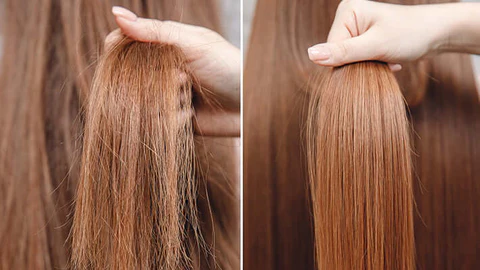
Hair styling tool damage is more common than most people realize. Many people use straighteners, curling irons, blow dryers, and hot brushes every single day without noticing the long-term effects heat can have on their hair.
At first, the damage is subtle. Your hair may feel slightly drier or lose some shine. But over time, repeated heat exposure can weaken the hair structure, increase breakage, and leave your hair looking unhealthy no matter how much product you use.
The good news is that once you know the warning signs, it becomes much easier to protect your hair and prevent further damage.
Hair Styling Tool Damage Sign #1: Dry and Brittle Hair
One of the earliest signs of hair styling tool damage is dryness.
Healthy hair should feel soft, flexible, and smooth. If your hair suddenly feels rough, stiff, or straw-like after styling, excessive heat may be stripping away moisture from the hair shaft.
Many traditional styling tools rely on extremely high temperatures to force hair into shape quickly. Over time, this repeated heat exposure weakens the outer cuticle layer of the hair.
Signs of dryness include:
- Rough texture
- Frizz after styling
- Loss of softness
- Tangled ends
- Difficulty brushing
Using lower-heat styling tools and applying heat protection can help reduce further damage.
Hair Styling Tool Damage Sign #2: Split Ends and Breakage
Split ends are one of the clearest indicators of hair styling tool damage.
When hair is repeatedly exposed to high heat, the protective outer layer becomes weaker. The ends of the hair begin to split apart, creating a dry and frayed appearance.
You may also notice:
- Small broken hairs around your sink or brush
- Short uneven pieces near the ends
- Hair snapping during brushing
If breakage becomes severe, hair can start looking thinner over time.
Hair Styling Tool Damage Sign #3: Loss of Shine
Healthy hair naturally reflects light. Damaged hair does not.
When the cuticle becomes rough from excessive heat, light can no longer reflect evenly across the surface of the hair. This leaves hair looking dull and lifeless even immediately after styling.
Some modern styling brushes now focus more heavily on hair protection instead of only heat power. For example, certain hot brushes include protective technologies or nutrient infusion systems designed to reduce dryness during styling.
You can also learn more about professional hair care advice on the official Allure website:
https://www.allure.com/
Hair Styling Tool Damage Sign #4: Increased Frizz
Many people think frizz means they need more heat.
In reality, frizz is often caused by damage from too much heat.
When the outer cuticle layer becomes damaged, humidity enters the hair shaft more easily. This causes swelling, puffiness, and flyaways.
Signs include:
- Frizz immediately after styling
- Hair puffing up in humidity
- Difficulty maintaining smooth styles
- Static and flyaways
Using gentler styling methods and reducing direct heat exposure can help improve texture over time.
Hair Styling Tool Damage Sign #5: Your Hair Feels Thinner
Severe heat damage can eventually weaken the hair enough to cause visible thinning.
This does not necessarily mean permanent hair loss. In many cases, the hair is simply breaking faster than it can grow long and healthy.
People who style daily with extremely hot tools are especially at risk.
If your ponytail feels thinner than before or your ends appear sparse, it may be time to reevaluate your styling routine.
How to Reduce Hair Styling Tool Damage
Reducing hair styling tool damage does not mean giving up styling completely.
Instead, focus on:
- Lower heat settings
- Heat protection products
- Limiting daily heat exposure
- Using modern tools designed for healthier styling
- Avoiding repeated passes over the same section of hair
Some newer styling brushes also combine drying, smoothing, and styling into one process, reducing the amount of direct heat needed overall.
Best Styling Habits for Healthier Hair
Healthy styling habits can make a major difference over time.
Some of the best habits include:
- Letting hair partially air dry first
- Using microfiber towels
- Applying leave-in protection
- Avoiding maximum heat settings
- Cleaning styling tools regularly
- Trimming split ends consistently
Small changes can dramatically improve hair texture and shine within a few weeks.
Final Thoughts on Hair Styling Tool Damage
Hair styling tool damage usually happens gradually, which is why many people do not notice the problem until breakage and dryness become severe.
Paying attention to early warning signs like dryness, split ends, dullness, frizz, and thinning can help you protect your hair before the damage becomes difficult to reverse.
With the right styling habits and better heat management, it is possible to maintain smooth, healthy-looking hair without sacrificing your daily routine.
FAQ